
Arthritis Care in Mount Pearl
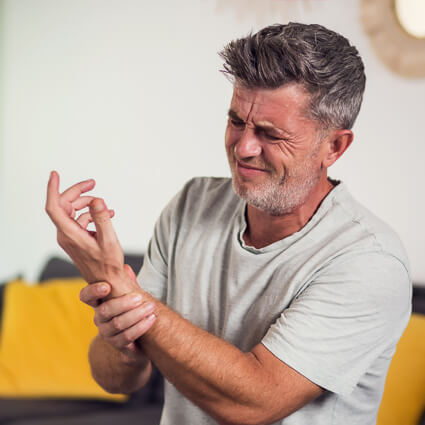 Joint pain and stiffness that never quite goes away can make everyday life feel more challenging. For many people in Mount Pearl, Paradise, and St. John’s, arthritis is a common reason mornings feel slower and colder weather brings added discomfort. Patients visit Active Health Chiropractic to better understand what is contributing to their joint concerns and explore ways to stay active in daily life.
When Joints Stop Working the Way They Should
Arthritis is not a single condition. Osteoarthritis, the most common type, develops as the cartilage that cushions the joints gradually wears down. As this layer changes over time, joints may become stiff, sore, and less mobile. It’s often seen in the knees, hips, hands, and spine.
Inflammatory types, such as rheumatoid arthritis, involve the immune system affecting the joint lining. These cases may involve multiple joints and often benefit from coordinated management. Identifying the type of arthritis present helps guide the most appropriate plan.
Why Arthritis Is Particularly Common Here
While Newfoundland’s climate doesn’t cause arthritis, it can make symptoms more noticeable. Cold temperatures and damp conditions are common triggers for joint flare-ups, especially during the winter months. Other contributing factors may include:
- Age-related joint changes over time
- Physically demanding work in trades, fisheries, and labour-intensive roles
- Previous injuries that did not fully settle
- Reduced activity levels during colder seasons
- Increased load on joints such as the hips, knees, and ankles
What Arthritis Can Feel Like Day to Day
Arthritis symptoms vary depending on the joints involved, but many people notice similar patterns.
Joint stiffness and discomfort are often more noticeable first thing in the morning or after periods of rest. Swelling around the joints may occur, along with reduced range of motion. Some joints may feel tender during flare-ups, and colder weather can make these symptoms more noticeable. If movement continues to feel limited or uncomfortable over time, it may be worth having it assessed rather than continuing to push through.
When to Stop Managing It Alone
Some stiffness can be expected as the body changes with age. In other cases, an assessment may be helpful, especially if you are noticing:
- Joint pain lasting more than a few weeks
- Stiffness affecting work, exercise, or daily tasks
- Flare-ups becoming more frequent or harder to settle
- Reduced movement that continues to decline
- Discomfort affecting multiple joints
How We Help
An assessment looks at how the joints are moving and where restrictions may be present. This includes considering how surrounding muscles and nearby joints are contributing to overall movement.
Techniques such as gentle joint mobilization may help improve mobility, while soft tissue work may help ease tension around the joints. Guidance on movement, activity levels, and managing flare-ups is also provided so patients have practical strategies they can use day to day.
Schedule an Appointment
Small changes in how your joints move can make a noticeable difference in day-to-day comfort. If stiffness or joint pain has become part of your routine, it may be time to have it assessed. Contact Active Health Chiropractic to book a time that works for you.
